
Wilderness travel resource hub
Reconnecting with nature through remote backcountry expeditions

Sunlight filters through the dense canopy, illuminating vibrant green ferns carpeting the riparian forest floor.
Exploring these secluded areas allows hikers to witness endemic wildlife in natural habitats. Silence is broken only by rushing water and rustling leaves underfoot.
Elevating traditional camping experiences via luxury glamping
Pitching basic tents is no longer the sole option. Enthusiasts combine immersion with comfort through sustainable yurt rentals and certified luxury eco-lodges.


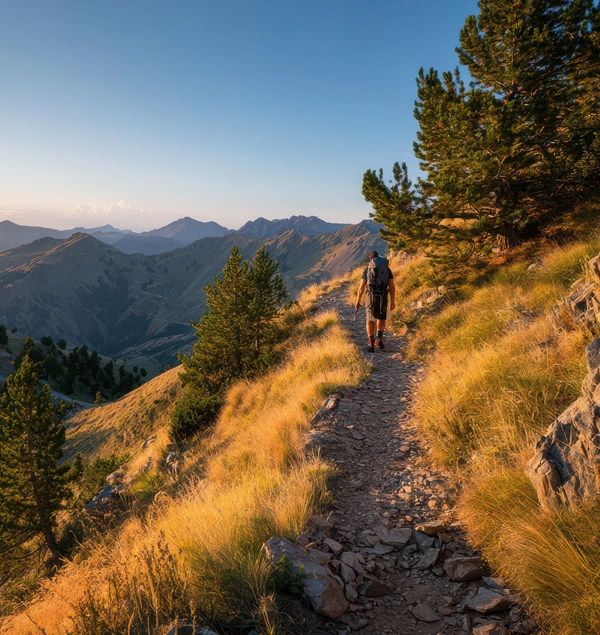
High-altitude trekking circuits
High altitudes

White water rafting
River rapids

Technical alpine climbing
Vertical walls

Shinrin-yoku forest bathing
Mental calm
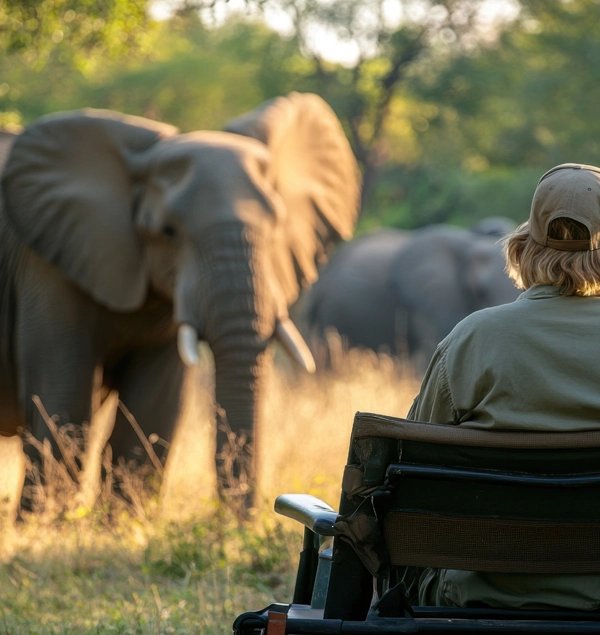
Fauna tracking safaris
Fauna tracking

Astrophotography workshops
Dark skies
Selecting technical gear for safe expeditions
Proper planning dictates the success of any wilderness journey. Choosing ultralight gear ensures safety when weather shifts unexpectedly. From GPS beacons to merino base layers, every item must serve a purpose, minimizing load weight while maximizing utility during long days on the thru-hike.
Satellite navigation systems and GPS trackers
Modern explorers rely on two-way satellite messengers to maintain contact in dead zones, ensuring safety during solo expeditions.

Off-road vehicle rentals and shuttles
Reaching remote trailheads often requires high-clearance 4×4 rentals capable of handling mud, gravel, and steep mountain inclines.
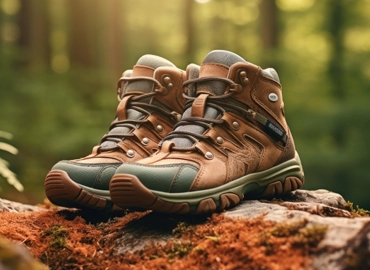
Waterproof breathable shells and approach shoes
Moisture-wicking synthetics and hardshell membranes protect the body from hypothermia, allowing hikers to persevere through heavy rainfall.