Blog
Stepping into the true wilderness is an act of profound transformation. It is a transition from the structured, predictable rhythms of modern life into a realm where nature dictates the terms of engagement. Whether you are trekking through dense forests or navigating arid deserts, the wilderness offers a rare opportunity to reconnect with the primal world. However, this beauty comes with a significant responsibility: to be prepared, to remain safe, and to leave the landscape exactly as you found it.
Understanding the intricacies of the outdoors requires more than just physical fitness; it demands a diverse skill set ranging from technical navigation to ecological literacy. In this resource, we explore the pillars of modern exploration, connecting the practicalities of logistics with the ethics of conservation and the restorative science of nature immersion. Our goal is to empower you to venture further while minimizing your footprint and maximizing your personal growth.
Mastering Navigation and Expedition Planning
The difference between a successful adventure and a dangerous ordeal often lies in the hours spent before the first step is even taken. Preparation is the primary tool for survival in remote environments.
The Perils of Digital Dependence
In an era of ubiquitous technology, many novice explorers fall into the trap of relying solely on smartphone apps for navigation. While digital maps are convenient, they are inherently fragile in the backcountry. Batteries fail in cold weather, screens shatter, and GPS signals can be obstructed by deep canyons or thick canopy. Relying on a single electronic device is a common mistake that can lead to becoming stranded. A robust navigation kit should always include a physical map and a compass, protected within a waterproof casing. Mastering the basics of topographical reading ensures you can orient yourself even when the power runs out.
Strategic Route Assessment
Statistically, a large percentage of novice explorers find themselves in trouble due to poor route planning. This often involves overestimating daily mileage or failing to account for terrain complexity. A professional-grade plan includes identifying « escape routes »—shorter paths to safety if conditions deteriorate. Furthermore, understanding weather signals is crucial. Recognizing the difference between a passing front and a developing storm can be the literal line between a safe camp and a hazardous exposure event. If you see rapid cloud verticalization or a sudden drop in barometric pressure, it is often a signal to cancel or alter your trip.
Communication in the Dead Zone
When traveling solo or in high-risk areas, choose your communication tools wisely. While a Satellite Phone allows for two-way voice communication, a Personal Locator Beacon (PLB) is often more reliable for emergency-only distress signals as it broadcasts on powerful military frequencies. Understanding the specific limitations of your device ensures that your lifeline to the outside world remains functional when you need it most.
Practicing Ethical Stewardship and Conservation
As more people seek refuge in nature, the cumulative impact on fragile ecosystems has reached a critical point. To protect these spaces, we must move beyond simple awareness and adopt rigorous Leave No Trace principles.
Protecting Fragile Ground
Ecosystems like the high desert or alpine tundra are surprisingly delicate. In desert environments, cryptobiotic soil—a living crust of cyanobacteria, lichens, and mosses—is the foundation of life. A single misplaced footstep can destroy soil crust that took 50 years to grow, leading to massive erosion. Staying on established trails or durable surfaces like rock and gravel is not just a suggestion; it is a necessity for the survival of the habitat.
Waste Management and Chemical Impact
Properly managing human impact involves making difficult choices about waste and hygiene. In areas where the soil is too shallow or sensitive for traditional « catholes, » you must be prepared to pack out all human waste. Additionally, the myth of « biodegradable soap » leads many to wash directly in lakes or streams. Even organic soaps can disrupt the chemical balance of water and harm aquatic life. All washing should occur at least 200 feet from water sources, using small amounts of water that are then scattered to allow the soil to filter the greywater.
- Established Sites: Always prioritize camping in areas that have already been impacted to prevent the spread of damage.
- Fire Safety: Use a lightweight stove instead of a campfire. Burning dead wood in areas like the tundra removes essential nutrients from the ecosystem.
- Boot Hygiene: Always clean your gear before moving between trailheads to prevent the spread of invasive species and seeds.
Wildlife Ethics and Safe Encounters
Observing animals in their natural habitat is a privilege, but it requires a disciplined approach to prevent habituation and stress.
The Principle of Non-Interference
The golden rule of wildlife interaction is to maintain a distance that does not change the animal’s behavior. If an animal stops eating or changes its direction because of you, you are too close. Using tools like high-quality binoculars or long zoom lenses allows for intimate observation without causing physiological stress to the creature. Feeding wildlife is perhaps the most damaging action a hiker can take; it teaches animals to associate humans with food, which almost inevitably leads to the animal being euthanized for safety reasons—hence the phrase, « A fed bear is a dead bear. »
Food Storage and Safety
In bear country, your safety is directly linked to your food storage habits. While traditional « hang bags » are common, bear canisters are increasingly required by law because they are far more effective at stopping both bears and persistent rodents. Proper storage prevents animals from becoming « food conditioned, » a state that endangers both the wildlife and future explorers.
The Science of Nature Immersion: Shinrin-yoku
Wilderness exploration is not just about the external landscape; it is also about the internal benefits to the human body and mind. The Japanese practice of Shinrin-yoku, or forest bathing, is now supported by significant clinical research.
The Chemistry of the Forest
Trees emit organic compounds called phytoncides to protect themselves from rot and insects. When humans breathe these compounds—particularly through nasal breathing—it triggers a biological response. Studies have shown that a « dose » of nature as short as 20 minutes can significantly lower cortisol levels and boost the activity of Natural Killer (NK) cells, which are vital for immune function. This is not merely a placebo effect; it is a measurable physiological shift that can last for days after leaving the forest.
Cognitive Restoration
Modern life demands « directed attention, » which is exhausting for the brain. Nature provides Soft Fascination—a type of stimulation that allows the mind to wander and recover. This restorative effect explains why attention spans and creative problem-solving skills often improve after a period of wilderness immersion. Whether it is an urban park or a deep forest, the presence of trees acts as a powerful stress-reduction tool.
- The 20-Minute Rule: Spend at least 20 minutes in a green space to begin the reduction of stress hormones.
- Sensory Engagement: Focus on the sounds, smells, and textures of the environment to deepen the restorative effect.
- Consistency: Regular short intervals in nature often provide more long-term benefits than infrequent, long expeditions.
Capturing the Wilderness: Technical Photography
Documenting the wilderness, especially at night, requires a specialized understanding of optics and light physics. Astrophotography is the pinnacle of this challenge.
Navigating the Night Sky
To capture the Milky Way without star trails, photographers must balance shutter speed with focal length. The NPF Rule has recently superseded the simpler « 500 Rule » as it accounts for the higher resolution of modern sensors, providing sharper results. Achieving clarity also requires a fast lens; an aperture of f/2.8 is generally considered the minimum for capturing enough light without excessive noise. To further improve image quality, advanced photographers use image stacking—combining multiple exposures to cancel out digital grain.
Logistics for Night Shoots
Operating in the dark presents unique gear challenges. High humidity can cause condensation on your lens, making dew heaters an essential tool for long sessions. Understanding your camera’s ISO invariance is also key; some sensors allow you to shoot at lower ISOs and brighten the image in post-processing without adding extra noise, preserving the dynamic range of the stars.
Logistics and Expedition Management
Large-scale expeditions are complex operations that require meticulous organizational skills. From legal permits to weight management, every detail counts.
Managing logistics involves creating a Gear Matrix, often using spreadsheets to track every gram of weight. This level of precision is necessary when calculating calories for a 30-day route or ensuring your team has the correct extraction insurance for high-altitude rescues. Furthermore, traveling with expedition gear requires navigating international regulations. Knowing how to safely transport fuel stoves and climbing equipment through airport security is a vital skill for the global explorer. By assigning clear roles—such as Medic, Navigator, and Cook—a team can operate with maximum efficiency and safety in the most demanding environments on Earth.

Why Stay in Saint-Martin-de-Ré on Your Next Île de Ré Holiday?
Direct answer: Stay in Saint-Martin-de-Ré if you want a lively, walkable harbour town with major heritage and a practical position for exploring the whole Île de Ré—especially if you plan to get around by bike and you don’t want to…
Lire la suite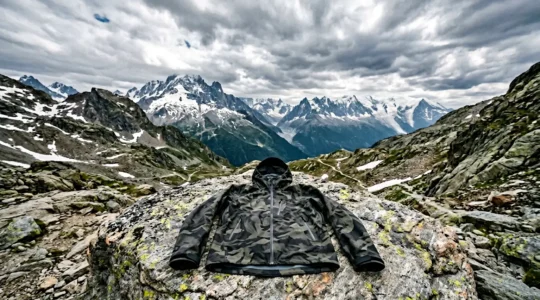
Choosing Hardshell Membranes: How to Distinguish Between 2.5 and 3-Layer Jackets?
For the serious alpinist, a 3-layer hardshell is not a luxury, it’s a non-negotiable component of your safety system, prized for its superior failure tolerance under expedition stress. 2.5-layer jackets are lighter but their printed-on backing is a critical point…
Lire la suite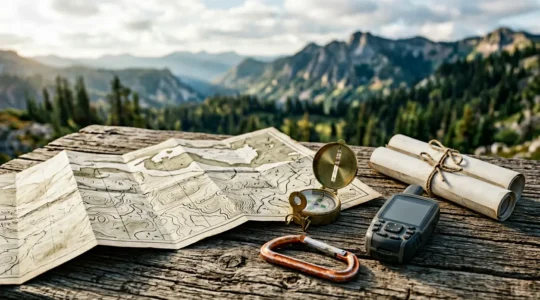
Planning Expedition Logistics: A Project Management Framework for Securing Permits
Successful expedition planning isn’t about having the right gear; it’s about implementing the right project management systems to navigate bureaucracy. Formal frameworks like the RACI matrix are essential for defining team accountability and preventing critical oversights. Treating your gear manifest…
Lire la suite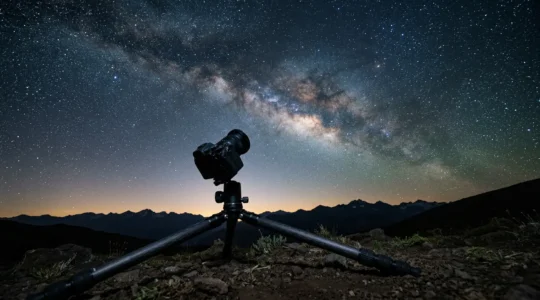
Mastering Astrophotography: How to Eliminate Noise in High ISO Night Shots?
Achieving clean astrophotos isn’t about avoiding high ISO; it’s about mastering your camera’s Signal-to-Noise Ratio (SNR) at a fundamental level. Maximizing incoming light (signal) through precise exposure rules (NPF) and wide apertures is more critical than lowering ISO. Understanding your…
Lire la suite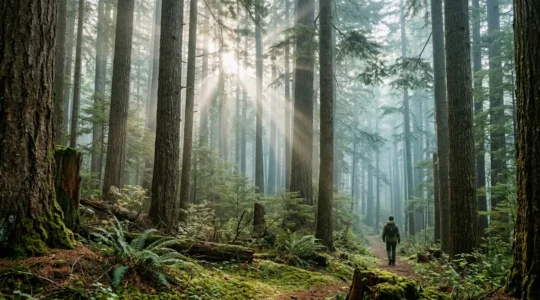
Practicing Shinrin-yoku: How Do Phytoncides Boost Your Natural Killer Cells?
Shinrin-yoku is not a mere wellness trend; it is a verifiable environmental health intervention with measurable immunological benefits. Airborne plant compounds called phytoncides, absorbed primarily via nasal breathing, directly increase the activity and count of immune-critical Natural Killer (NK) cells….
Lire la suite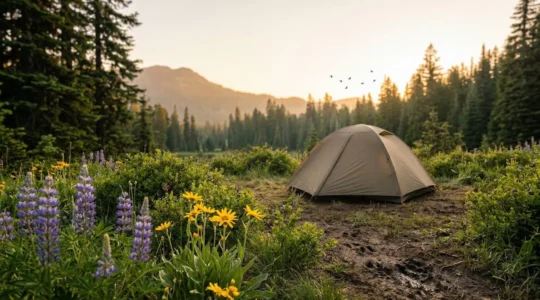
A Fed Animal Is a Dead Animal: The Ecological Truth Behind Why Your Kindness Kills
Contrary to popular belief, feeding wildlife is not a harmless act of kindness; it’s a death sentence that triggers an ecological breakdown and often ends with a « management » kill. Habituating an animal to human food corrupts its natural foraging behavior,…
Lire la suite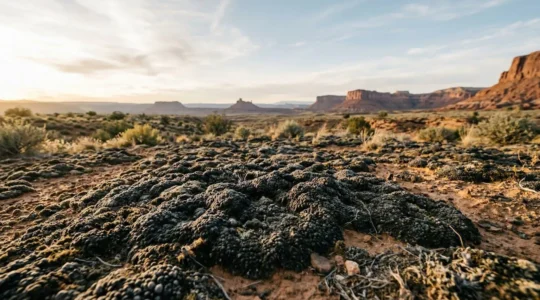
Camping in Fragile Ecosystems: How to Minimize Human Impact on Cryptobiotic Soil?
True zero-impact camping goes beyond basic rules; it requires understanding the hidden ecological consequences of our actions in fragile environments. Microscopic soil crusts, vital to desert life, can be destroyed for centuries by a single footstep. Common practices like using…
Lire la suite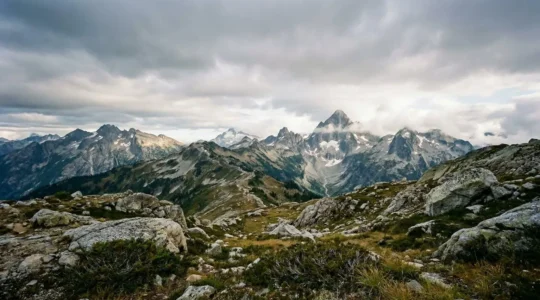
How to Plan a Remote Wilderness Expedition Without Getting Stranded?
The greatest risk in remote expeditions isn’t equipment failure; it’s the failure to plan for failure. Digital tools are inherently fragile; their failure points (signal, battery) are non-negotiable realities that must be anticipated. A robust safety system layers analog (maps),…
Lire la suite